How to Convert Any Recipe to Soy-Free
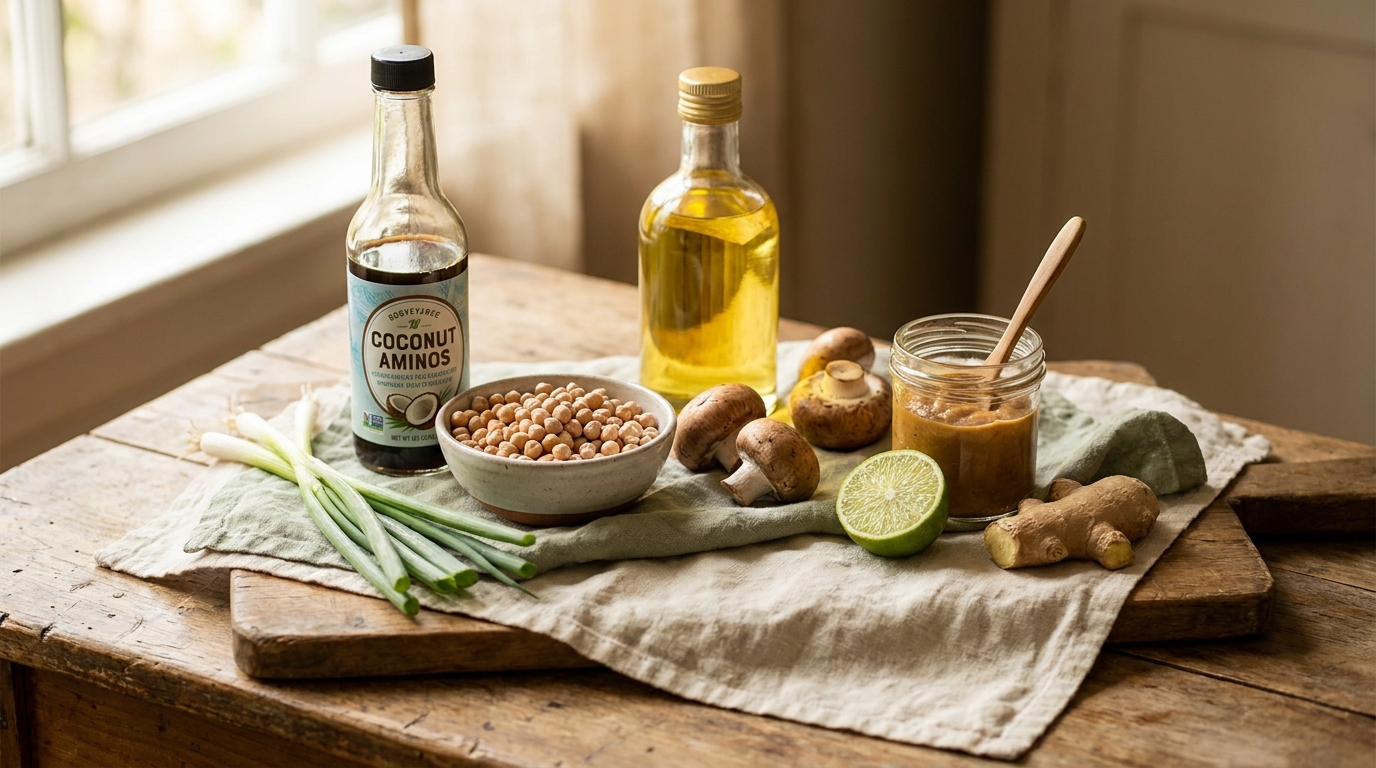
How to Convert Any Recipe to Soy-Free
You think you have it figured out. You skip the tofu. You scratch the soy sauce off the grocery list. You order your coffee with oat milk instead of soy. And then you bite into a piece of dark chocolate, scan the wrapper, and there it is — soy lecithin. Again.
Soy is one of the trickiest ingredients to avoid in modern cooking, not because the obvious sources are hard to identify, but because soy shows up in places you would never think to look. Bread. Deli meat. Salad dressing. Granola bars. Margarine. Most “vegetable oil” in the United States. Even some peanut butters. If you are trying to convert recipe to soy-free at home, the first half of the work is detective work — knowing where soy is hiding before you can decide what to swap it for.
People avoid soy for a lot of reasons. Some have a true IgE-mediated soy allergy and have to be vigilant. Others are managing thyroid concerns, where the role of soy is genuinely debated in the medical literature. Some are sensitive to phytoestrogens or simply prefer to limit them, again a debated area where reasonable people disagree. Plenty of vegans want to reduce their soy intake because plant-based diets often lean on soy heavily. And anyone who loves Asian cuisine — Chinese, Japanese, Korean, Thai — quickly learns that soy is woven into the foundation of those food cultures. Whatever brought you here, this guide will give you the working knowledge to make a recipe soy-free without losing the soul of the dish.
A note up front: this is a cooking guide, not medical advice. If you have a serious soy allergy or a medical condition, defer to your allergist or doctor on what you can and cannot eat.
Let’s start with the fundamentals.
What Actually Counts as Soy
Before you can convert recipe to soy-free, you need a clear mental list of what soy actually looks like on an ingredient label. Soy goes by many names and forms:
- Whole soy foods: edamame, soybeans, soy sprouts
- Soy proteins: tofu, tempeh, TVP (textured vegetable protein), soy protein isolate, soy protein concentrate, soy flour
- Fermented soy: soy sauce, tamari, shoyu, miso, natto, doenjang, gochujang (most versions), fermented black beans
- Soy liquids: soy milk, soy yogurt, soy creamer
- Soy fats and additives: soybean oil, soy lecithin, hydrolyzed soy protein, soy flour as a thickener
- Hidden in labeling: “vegetable oil” (in the US, this almost always means soybean oil), “natural flavors” can sometimes contain soy derivatives, “hydrolyzed vegetable protein” is often soy
A practical note: highly refined soybean oil and soy lecithin are believed to trigger fewer reactions in many people with soy allergies, because the proteins are largely removed during processing. The FDA even allows refined soybean oil to be excluded from major allergen labeling in some contexts. That said, most allergy specialists still recommend avoiding both unless your allergist has explicitly cleared them for you. For people avoiding soy for non-allergic reasons (thyroid, estrogen, dietary preference), the calculus may be different. Either way — defer to your own doctor, not a recipe blog.
With that out of the way, let’s get into the swaps.
Soy Sauce Replacement — The Big One
Soy sauce is the single most disruptive ingredient when you make a recipe soy-free. It appears in marinades, stir-fries, dressings, glazes, dipping sauces, and as a hidden umami booster in things you would not expect (chili, beef stew, even some Caesar dressings). Get this swap right and you have unlocked most of the world’s savory cooking.
Here is the lay of the land:
| Soy Sauce Alternative | Is It Soy-Free? | Flavor Profile | Best Use |
|---|---|---|---|
| Coconut aminos | Yes | Slightly sweeter, less salty, mild umami | Everyday 1:1 swap, stir-fries, marinades, dressings |
| Tamari | No (it IS soy) | Smoother, richer than soy sauce, less sharp | Often gluten-free, but do not confuse “GF” with “soy-free” |
| Liquid aminos (Bragg’s) | No (made from soybeans) | Very similar to soy sauce | Sometimes confused as soy-free — it is not |
| Fish sauce | Yes | Funky, salty, marine umami | Thai and Vietnamese dishes (not vegan) |
| Worcestershire sauce | Most brands yes, check label | Tangy, complex, slightly sweet | Marinades, stews (most contain anchovies — not vegan) |
| Mushroom-based “soy” sauces | Yes (check label) | Deep umami, earthy | Stir-fries, glazes, anywhere you want vegan umami |
| Maggi seasoning (original) | No (contains soy) | Strong, savory, almost beefy | Skip — most versions contain soy or wheat |
| Coconut secret soy-free umami | Yes | Rich, almost tamari-like | Premium swap for braises and finishing |
Recommended everyday swap: coconut aminos. It is the workhorse of soy-free cooking. Use it 1:1 by volume with soy sauce, then taste. Coconut aminos are roughly 60-70% as salty as soy sauce, so you may want to add a small pinch of salt to bring up the saltiness. They are also slightly sweeter, which means in dishes that already contain sugar (teriyaki glaze, hoisin substitutes), you should pull back the added sugar by about a teaspoon per tablespoon of coconut aminos used.
Common mistake: assuming tamari is soy-free. Tamari is a Japanese-style soy sauce that is traditionally made with little or no wheat, which is why it is often labeled “gluten-free.” But it is still made from fermented soybeans. The same goes for Bragg’s Liquid Aminos, which a lot of people swap in thinking they are doing themselves a favor — Bragg’s is literally a soy product.
Tofu Replacement
Tofu is not a single ingredient — it is at least four different ingredients depending on how it is being used. To swap tofu intelligently, look at what role it is playing in the dish first.
Scrambled or crumbled tofu
This is often used as an egg substitute in vegan breakfasts, or as a ricotta substitute in lasagna.
- Chickpea flour scramble: Whisk 1 cup chickpea flour with 1 cup water, a pinch of turmeric (for color), salt, garlic powder, and a pinch of black salt (kala namak) for that eggy sulfur note. Pour into a hot oiled pan and scramble like eggs.
- JUST Egg or similar: Most JUST Egg products are made from mung bean protein, not soy — but always read the label, as some plant-egg products do use soy isolate.
- Crumbled cauliflower or tofu-style chickpeas: Mashed chickpeas with nutritional yeast and lemon juice make a passable ricotta in lasagna or stuffed shells.
Marinated tofu cubes (stir-fries, grain bowls, skewers)
- Marinated mushrooms: King oyster, portobello, or cremini cubes marinated in coconut aminos and rice vinegar take on a meaty bite.
- Seitan: If you are not avoiding gluten, seitan is the closest texture to firm tofu and absorbs marinades well.
- Roasted chickpeas: For grain bowls and salads, roasted chickpeas tossed in the same marinade you would use for tofu work beautifully.
- Halloumi (if not vegan or dairy-free): For grilled skewers and stir-fries, halloumi gives you the cubed-protein bite without falling apart.
Silken tofu (cream sauces, custards, smoothies)
- Soaked cashews blended smooth: 1 cup raw cashews soaked in hot water for 30 minutes, then blended with about 1/2 cup water until silky. This is the gold standard for replacing silken tofu in cream sauces.
- White bean puree: Blend a can of cannellini beans (drained, rinsed) with a splash of broth. Neutral, high-protein, and works in soups and dips.
- Coconut cream: For sweet applications (chocolate mousse, panna cotta), the thick cream from a chilled can of full-fat coconut milk is the easiest swap.
Tofu in soup (miso soup, hot and sour)
- Mushrooms: Cubed king oyster or shiitake mushrooms float in broth the way tofu does and have a more substantial texture.
- White fish (if not vegan): Cubed cod or tilapia poached in the broth gives you the same delicate, soft protein bite.
- Cubed potato: For heartier soups, small cubes of waxy potato cooked just until tender mimic the soft mouthfeel of soft tofu.
Tempeh and Seitan Replacements
Tempeh is harder to replace than tofu because its fermented, nutty, slightly funky flavor and dense bite are genuinely unique. Seitan is easier — but if you are also avoiding gluten, you have to look elsewhere.
| Original | Soy-Free Substitute | Notes |
|---|---|---|
| Tempeh strips (“bacon”) | Chickpea-flour pancakes cut into strips, marinated and pan-fried | Add liquid smoke and maple for the bacon vibe |
| Tempeh crumbles | Cooked lentils + walnuts pulsed in a food processor | Season with smoked paprika and tamarind for funk |
| Tempeh in stir-fry | Cubed king oyster mushrooms or seitan (if gluten OK) | Press mushrooms before cooking to expel water |
| Seitan steaks | Portobello mushroom caps, marinated and grilled | Slice across the gills for the steak look |
| Seitan in stews | Jackfruit (young, in brine) or large white beans | Jackfruit shreds like braised meat |
| Seitan deli slices | Chickpea-tofu (Burmese tofu) sliced thin | Made from chickpea flour, soy-free and gluten-free |
A note on Burmese chickpea tofu: this is one of the great unsung soy-free ingredients. It is made by cooking chickpea flour with water and salt until it sets into a sliceable block. It pan-fries beautifully, takes on marinades, and is naturally soy-free, gluten-free, and high in protein. If you are seriously committed to soy-free cooking, learn to make it.
Miso Replacement
Miso is the heart of so much Japanese cooking, and replacing it is one of the more delicate moves in soy-free cooking. The good news: actual chickpea miso exists, and it is excellent.
- Chickpea miso: Real, fermented miso made from chickpeas instead of soybeans. South River Miso Company and Miso Master both produce excellent versions. Use it 1:1 wherever a recipe calls for white or yellow miso. The flavor is close — slightly less funky than red miso, but unmistakably miso-like.
- Adzuki bean miso: Also exists from artisan producers. Earthier and a touch sweeter than chickpea miso.
- Quick umami paste (no fermentation): If you cannot find chickpea miso, blend 2 tbsp nutritional yeast + 1 tsp tahini + 1/2 tsp salt + a splash of rice vinegar. Not as deep as real miso, but it covers the savory-creamy-salty role in dressings and marinades.
- Mushroom paste: Sautéed shiitakes blended with a touch of broth and salt give you fermented-style umami without any fermentation.
- Anchovy paste (not vegan): A small amount of anchovy paste delivers the salt-and-umami punch that miso brings to sauces, dressings, and braises.
| Use Case | Best Soy-Free Swap |
|---|---|
| Miso soup base | Chickpea miso + dashi made with kombu only (skip the bonito or use it for non-vegan) |
| Miso-glazed salmon or eggplant | Chickpea miso + maple syrup + rice vinegar (1:1:0.5) |
| Miso in salad dressing | Chickpea miso, or nutritional yeast + tahini + lemon |
| Miso butter (compound butter) | Chickpea miso whipped into softened butter or vegan butter |
| Marinades for tofu/protein | Chickpea miso + ginger + garlic + coconut aminos |
Edamame and Soy Snacks
Edamame is just immature soybeans, so when a recipe calls for them as a side, snack, or salad addition, you have a few good options:
- Green peas: The closest visual and textural match. Frozen peas, briefly steamed, work in salads, grain bowls, and as a snack with sea salt.
- Lima beans: Bigger, creamier, and a touch starchier. Excellent in succotash and warm side dishes.
- Fava beans: When fresh in spring, favas are a luxurious edamame alternative. Frozen peeled favas are available year-round.
- Roasted chickpeas: For the crunchy roasted-edamame snack vibe, roasted chickpeas tossed in salt and sesame oil hit the same protein-and-crunch craving.
- Lupini beans: Mediterranean snack beans with a protein density that actually exceeds soybeans. Eaten right out of the brine.
Soy Lecithin and Processed Foods
Soy lecithin is an emulsifier — it helps fats and water stay mixed. It is in a frankly absurd range of processed foods: chocolate (almost all major brands), most commercial baked goods, ice cream, salad dressings, margarine, breakfast cereals, protein bars, infant formula, even some cooking sprays.
The good news is the swaps are clean:
- Sunflower lecithin: Functionally identical to soy lecithin in baking and chocolate-making. If you are making chocolate or homemade ice cream, sunflower lecithin works 1:1.
- Egg yolk: A traditional emulsifier in mayonnaise, hollandaise, and cream sauces. Naturally soy-free.
- Mustard: A small amount of mustard helps emulsify vinaigrettes — no lecithin needed.
- Buy “soy-free” or premium products: Many high-end dark chocolates use only cocoa butter as the emulsifier (no lecithin at all). Look for chocolate that lists ingredients as “cacao, sugar, cocoa butter” and nothing else. Brands like Pascha, Endangered Species (some bars), and many single-origin craft chocolates are soy-free.
Soybean Oil Replacement
Here is the one that catches almost everyone off guard: when an ingredient label in the US says “vegetable oil,” it almost always means soybean oil. It is the most commonly produced cooking oil in America. So when a recipe calls for vegetable oil — and when a packaged product lists vegetable oil — you are dealing with soy.
| Recipe Calls For | Soy-Free Replacement | Notes |
|---|---|---|
| Vegetable oil (frying) | Avocado oil or sunflower oil | High smoke point, neutral flavor |
| Vegetable oil (baking) | Avocado oil, sunflower oil, or melted coconut oil | Coconut oil only if you want a hint of coconut |
| Vegetable oil (dressings) | Olive oil, avocado oil, or grapeseed oil | Olive for Mediterranean, avocado for neutral |
| Margarine | Soy-free vegan butter (Miyoko’s, some Earth Balance varieties), or real butter | Read labels — many vegan butters use soy |
| Cooking spray | Avocado oil spray (check label), or oil + brush | Many cooking sprays use soybean oil |
| Mayonnaise | Avocado oil mayo (Primal Kitchen, Chosen Foods) | Most regular mayo is soybean oil |
| Salad dressing | Make your own with olive or avocado oil | Bottled dressings overwhelmingly use soybean oil |
Tip: avocado oil has become the go-to for serious soy-free cooks because it has a high smoke point (suitable for frying), a neutral flavor (suitable for baking and dressings), and is now widely available. If you only buy one new oil for soy-free cooking, make it avocado.
Hidden Soy in Packaged Foods
This is where the real soy-free detective work happens. The good news: under FDA top-9 allergen labeling rules, soy must be called out in plain language on packaged foods sold in the United States. The bad news: it still shows up in places that surprise people.
Things to scan ingredient labels for:
- Soy lecithin — chocolate, baked goods, ice cream, margarine
- Soybean oil / vegetable oil — almost everything fried, packaged, or shelf-stable
- Hydrolyzed vegetable protein or hydrolyzed soy protein — bouillon, soup mixes, processed meat
- TVP / TSP / textured soy protein — meat substitutes, prepared meals
- Soy protein isolate / concentrate — protein bars, protein powders, meatless products
- Soy flour — bread, baked goods, breading mixes
- Mono- and diglycerides — sometimes derived from soybean oil
- Natural flavors — can occasionally contain soy derivatives (rare but possible)
- MSG — modern MSG is almost always made by bacterial fermentation of sugar, not from soy, but trace amounts can sometimes appear in older or cheaper products
Common hidden-soy offenders to watch for:
- Bread: Many commercial breads use soy flour as a dough conditioner. Look for “soy-free” or simple ingredient lists.
- Bouillon cubes and broths: Most commercial broths contain hydrolyzed soy protein or soybean oil.
- Deli meats and hot dogs: Soy protein is a common filler.
- Peanut butter: Some commercial brands add soybean oil. Look for brands with just “peanuts, salt.”
- Granola bars and protein bars: Soy protein isolate is the cheapest plant protein, so it is everywhere.
- Salad dressings: Soybean oil is the default base oil for nearly every bottled dressing.
- Tuna and canned fish: Some are packed in soybean oil. Choose “in water” or “in olive oil.”
- Asian noodle products: Many ramen seasoning packets contain soy sauce powder or soy protein.
Asian Cuisine Without Soy
This is the toughest terrain in soy-free cooking, because soy is foundational to several Asian food cultures. But it is absolutely doable — and the dishes can still taste authentic.
Thai
Thai cuisine is one of the easier Asian cuisines to make soy-free, because the core flavor profile leans on fish sauce, tamarind, lime, palm sugar, chilies, and aromatics — not soy.
- Replace soy sauce with coconut aminos (in vegan dishes) or fish sauce (where appropriate).
- Use tamarind paste for the sweet-sour backbone of pad thai and many curries.
- Watch for oyster sauce — most contain soy. There are soy-free oyster sauces available; check the label.
Korean
Korean is the hardest. Gochujang (red chili paste), doenjang (fermented soybean paste), and ganjang (soy sauce) are all soy-based. Replacements:
- Gochujang: Blend gochugaru (Korean chili flakes) with chickpea miso, a touch of maple syrup, and a splash of rice vinegar. It is not identical, but it captures the sweet-spicy-fermented profile.
- Doenjang: Use chickpea miso, or a darker version like adzuki miso if you can find it.
- Ganjang: Coconut aminos plus a pinch of salt.
Korean BBQ marinades, japchae, bibimbap, and kimchi jjigae can all be adapted with these substitutions. Kimchi itself is usually soy-free, but check the label — some commercial kimchis use a small amount of soy sauce.
Chinese
- Soy sauce: Coconut aminos, with a splash of rice vinegar to add back the sharpness coconut aminos lack.
- Oyster sauce: Coconut aminos thickened with a slurry of cornstarch and a touch of mushroom broth. Or look for a soy-free oyster sauce alternative.
- Hoisin: Blend coconut aminos with peanut butter, molasses, garlic, rice vinegar, and Chinese five-spice.
- Shaoxing wine (used in marinades): Naturally soy-free in most cases — check the label, but most are rice-based.
- Black bean sauce: Skip it or substitute with a mushroom-based sauce, since fermented black beans are soy.
Japanese
- Soy sauce: Coconut aminos.
- Miso: Chickpea miso (covered above).
- Dashi: Make it with kombu alone (a “kombu dashi”), which is naturally soy-free and vegan. If you eat fish, add bonito flakes — they are soy-free.
- Teriyaki sauce: Coconut aminos + maple syrup + grated ginger + grated garlic + rice vinegar, simmered until syrupy.
- Ponzu: Coconut aminos + citrus juice (yuzu or lemon) + rice vinegar.
The Easy Way: Let AI Handle the Conversion
By now you have a solid mental model of how to make a recipe soy-free. You know that coconut aminos are your everyday soy sauce swap. You know that “vegetable oil” almost always means soybean oil. You know that chickpea miso is real and excellent. You know that dark chocolate often contains soy lecithin and that sunflower lecithin is the clean swap.
But here is the honest truth about soy: identification is half the battle. Soy hides in places no reasonable person would expect — the bread crumbs, the chicken broth, the vegetable oil, the margarine, the salad dressing, the chocolate chips. Even when you are an experienced soy-free cook, you will sometimes find a recipe where soy shows up in three or four sneaky places. That is a lot of mental load to apply on every recipe you find online.
That is exactly the problem Re-Whisk was built to solve. Re-Whisk is a free Chrome extension that uses AI food science to convert any web recipe into a soy-free version (or vegan, gluten-free, dairy-free, keto, and more) with a single click. The key thing that makes it useful for soy-free cooking specifically: it catches both the obvious soy and the hidden soy. It does not just swap “soy sauce” for something else and call it a day. It looks at every ingredient — including the vegetable oil, the bouillon cube, the dough conditioner, the chocolate chips — and flags soy wherever it appears.
Found a teriyaki chicken stir-fry recipe online? Re-Whisk will swap the soy sauce for coconut aminos, replace the soybean oil with avocado oil, adjust the marinade ratios to compensate for the sweetness shift coconut aminos introduce, and check whether the recipe’s hoisin or oyster sauce ingredients need their own substitutions. All while you are still on the recipe page.
Soy-Free Substitution Cheat Sheet
A quick-reference table for the most common swaps when you convert recipe to soy-free.
| Soy Ingredient | Soy-Free Substitute | Ratio | Notes |
|---|---|---|---|
| Soy sauce | Coconut aminos | 1:1 | Add a small pinch of salt; reduce added sugar slightly |
| Tamari | Coconut aminos | 1:1 | Tamari is soy — do not confuse with soy-free |
| Liquid aminos (Bragg’s) | Coconut aminos | 1:1 | Bragg’s is soy-based |
| Tofu (firm, marinated) | Marinated mushrooms or seitan | Match by weight | Press mushrooms first |
| Tofu (silken, cream sauces) | Soaked blended cashews | 1:1 by volume | Soak 30 min in hot water |
| Tofu (scrambled) | Chickpea flour scramble | 1 cup flour + 1 cup water = 4 servings | Add black salt for eggy flavor |
| Tempeh | Lentil-walnut crumble or seitan | 1:1 by volume | Season aggressively |
| Miso (white or yellow) | Chickpea miso | 1:1 | South River, Miso Master |
| Miso (red) | Chickpea miso + tamarind | 1:1 with a splash of tamarind | Approximates the deeper funk |
| Edamame | Green peas or fava beans | 1:1 | Briefly steam |
| Soy milk | Oat milk or almond milk | 1:1 | Oat for richness, almond for lightness |
| Soy yogurt | Coconut yogurt or almond yogurt | 1:1 | Check labels for stabilizers |
| Soy protein isolate (in shakes) | Pea protein or rice protein | 1:1 by weight | Pea has a similar amino profile |
| Soybean oil / “vegetable oil” | Avocado oil or sunflower oil | 1:1 | Avocado for high heat, sunflower for baking |
| Soy lecithin | Sunflower lecithin | 1:1 | Functionally identical |
| Margarine | Soy-free vegan butter or real butter | 1:1 | Read labels |
| Mayonnaise (soybean oil) | Avocado oil mayo | 1:1 | Primal Kitchen, Chosen Foods |
| Hoisin sauce | Coconut aminos + peanut butter + molasses | See Asian section | Adjust to taste |
| Oyster sauce | Coconut aminos + cornstarch + mushroom broth | 1:1 finished volume | Or buy soy-free oyster sauce |
| Teriyaki sauce | Coconut aminos + maple + ginger + garlic | 1:1 finished volume | Simmer until syrupy |
| Gochujang | Gochugaru + chickpea miso + maple + rice vinegar | See Korean section | Approximation, not identical |
| Doenjang | Chickpea miso (or adzuki miso) | 1:1 | Closest available swap |
| Dashi | Kombu-only dashi | 1:1 | Add bonito if not vegan |
| Bouillon cubes | Homemade broth or soy-free bouillon | 1:1 | Most commercial bouillon contains soy |
| Worcestershire sauce | Soy-free Worcestershire | 1:1 | Check label — many contain soy |
Putting It All Together
Soy-free cooking is more about training your eyes than training your palate. Once you know where soy hides — the chocolate, the bread, the salad dressing, the vegetable oil, the bouillon — the substitutions themselves are mostly straightforward. Coconut aminos for soy sauce. Chickpea miso for miso. Avocado oil for vegetable oil. Sunflower lecithin for soy lecithin. Cashew cream for silken tofu. Chickpea flour for almost everything else.
Start with the recipes that are easiest to adapt — soups, stir-fries, marinades, dressings — where one or two swaps will get you most of the way there. Then move into the harder territory: Korean cooking, processed-food-heavy recipes, baking that depends on soy-based emulsifiers. And whenever the mental load of identifying every hidden soy ingredient gets to be too much, remember that Re-Whisk can do that work for you in one click.
The world of food is much bigger and more interesting once you stop relying on soy to do the heavy lifting. Coconut aminos, chickpea miso, sunflower lecithin, avocado oil, mushrooms, lentils, chickpeas — these ingredients open up a soy-free version of almost any cuisine you love. Get them in your pantry, learn the swaps, and you will find that converting recipes to soy-free quickly becomes second nature.