How to Convert Any Recipe to Whole30-Compliant
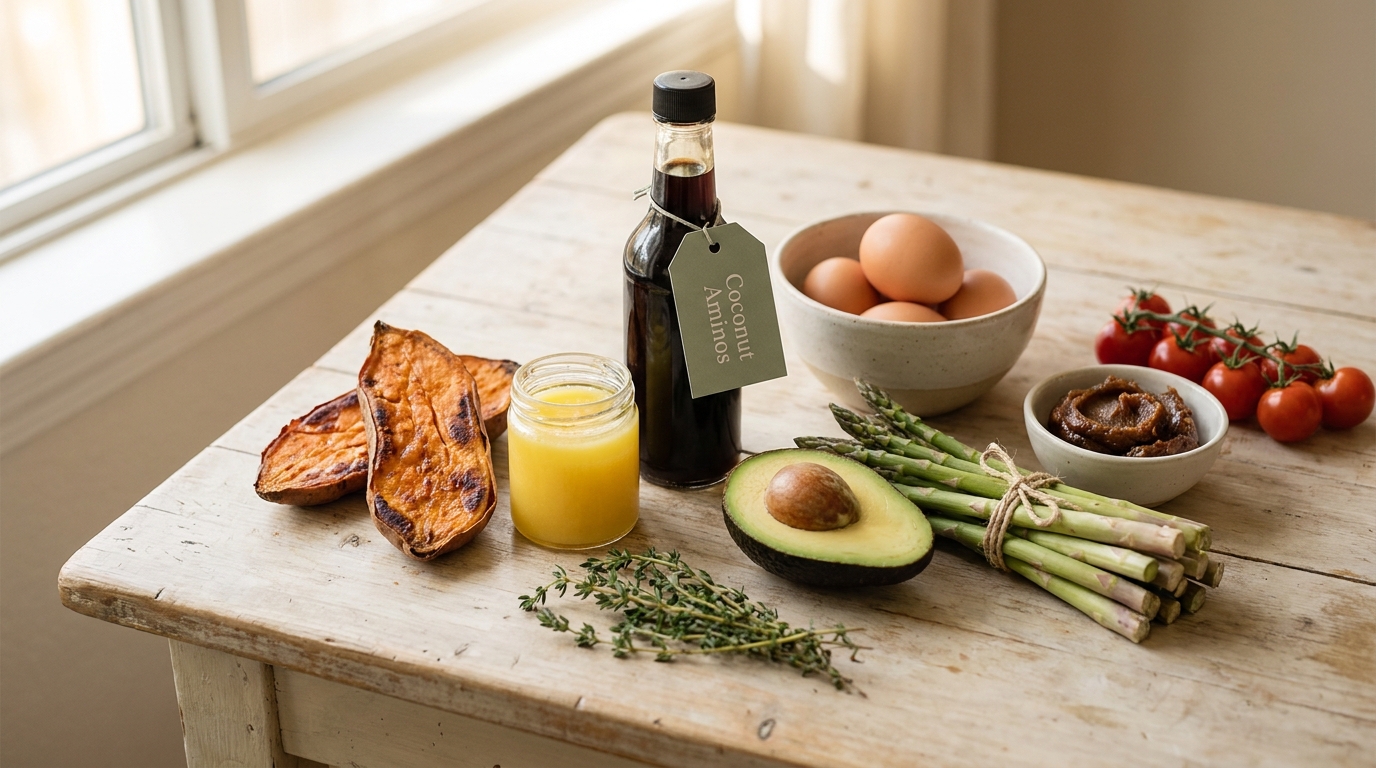
How to Convert Any Recipe to Whole30-Compliant
You committed to Whole30. Thirty days, no cheats, no slips, no “well, just this once.” Then you go looking for dinner inspiration and realize the entire internet is conspiring against you. The chicken marinade has soy sauce and brown sugar. The “healthy” salad dressing has honey. The bone broth has carrageenan. The bacon has dextrose. Even the can of tomatoes you reach for has citric acid that you now have to investigate.
If you have done Whole30 before, you know that the hardest part is not avoiding the obvious stuff. Skipping bread and beer is easy compared to scanning a 22-ingredient label for the eighth disguised sweetener. The challenge is that almost every recipe online assumes you have free access to legumes, grains, dairy, and added sugar — the four pillars of modern home cooking.
The good news is that almost any savory recipe can be made compliant if you understand the rules and know which swaps actually work. This guide will give you the working knowledge to convert recipe to Whole30-compliant confidently — whether it is a Thai-inspired stir-fry, a Sunday roast, a creamy soup, or a weeknight curry. We will cover what is in, what is out, the hidden ingredients that catch even careful cooks, and the spirit-of-the-program nuances that separate a real Whole30 conversion from a technical loophole.
Whole30 Fundamentals: What’s In, What’s Out
Whole30 is a 30-day elimination protocol focused on whole, unprocessed foods. The rules are stricter than paleo, and they are non-negotiable for the duration of the program. Here is the short version:
Out for 30 days:
- No added sugar of any kind, real or artificial. That means no honey, maple syrup, agave, coconut sugar, stevia, monk fruit, sucralose, aspartame, or any of the dozens of disguised sweeteners on labels.
- No alcohol, in any form, including for cooking. The wine cooks off, but it is still out.
- No grains. No wheat, rice, oats, corn, quinoa, barley, rye, buckwheat, millet, or any pseudo-grain.
- No legumes. No beans, lentils, chickpeas, peas, peanuts, peanut butter, soy, tofu, tempeh, edamame, or soy sauce. (Green beans, snap peas, and snow peas are the exception.)
- No dairy. No milk, cream, cheese, yogurt, butter, sour cream, or kefir. Ghee is allowed because the milk solids are removed.
- No carrageenan, MSG, or sulfites in processed ingredients.
- No “Paleo recreations” of off-limits foods. No Whole30 pancakes, no almond-flour bread, no compliant-ingredient ice cream, no “Whole30 brownies.” Even if every ingredient is technically compliant, recreating a banned food violates the spirit of the program.
In:
- Meat, poultry, seafood, and eggs
- All vegetables (including white potatoes — they were added back years ago)
- Fruit, in moderation
- Healthy fats: ghee, coconut oil, olive oil, avocado oil, animal fats
- Nuts and seeds (except peanuts)
- Compliant pantry staples: coconut aminos, vinegar (most kinds, except malt and rice — actually rice vinegar is fine, it just has no actual rice), unsweetened almond milk without carrageenan, mustard, hot sauce without sugar
When you set out to make a recipe Whole30-compliant, you are essentially asking: can the dish work as whole-food protein, vegetables, and compliant fats, with seasonings and acids that do not violate the rules? Most savory recipes can. Most baked goods cannot — and even when they technically can, they probably should not.
The “No Added Sugar” Challenge
This is the rule that catches everyone. Skipping the obvious stuff (no soda, no sweets) is easy. The hard part is realizing that added sugar hides in nearly everything processed.
Things that almost always contain added sugar:
- Bacon (cured with sugar — look for sugar-free brands like Pederson’s Natural Farms or Applegate No Sugar)
- Sausage (most brands sweeten the meat)
- Deli meats and cold cuts
- Chicken and beef broth (many brands add cane sugar or “natural flavors” that include sweeteners)
- Almost every bottled sauce, dressing, and condiment
- “Lightly seasoned” or pre-marinated meats from the grocery store
- Tomato sauce, ketchup, and most canned tomato products
- Nut butters (especially commercial peanut butter — peanuts are out anyway, but check almond and cashew butters too)
- Coconut milk in cartons (often sweetened, often has carrageenan)
- Sun-dried tomatoes packed in oil
The Whole30 rule is brutal here: any added sugar disqualifies the ingredient, regardless of amount. One gram of cane sugar in your bacon is one gram too many.
Reading Labels Like a Whole30 Cook
Every form of added sugar is out. Here is the running list of disguised names you need to recognize:
| Hidden Sugar Name | Where It Hides |
|---|---|
| Cane juice / evaporated cane juice | ”Healthy” sauces, granolas |
| Dextrose | Cured meats, bacon, sausage |
| Maltodextrin | Spice blends, broths, processed snacks |
| Brown rice syrup | Bars, “natural” sweets |
| Coconut sugar | ”Paleo” products (still out) |
| Date sugar / date syrup (added) | Sauces marketed as natural |
| Agave nectar | Dressings, sauces |
| Honey / maple syrup | Mustards, marinades, glazes |
| Stevia / monk fruit / erythritol | ”Sugar-free” products (still out) |
| Sucralose / aspartame / saccharin | Diet products, gums |
| Fruit juice concentrate | Sauces, jarred sauces, dressings |
| Glucose / fructose / sucrose | Anything processed |
| Modified food starch (often sweetened) | Soups, sauces |
| Inulin / chicory root extract (when added as sweetener) | “Healthy” packaged foods |
If you see any of those on a label, the product is out for the 30 days. No exceptions.
What About Cooking with Sweetness?
This is where conversion gets interesting. Recipes routinely use sugar for flavor balance — a teaspoon of brown sugar in a stir-fry sauce, a tablespoon of honey in a salad dressing, a glaze on roasted carrots. You cannot use any of those during Whole30, but you can lean on whole-food sources of natural sweetness:
- Mashed Medjool dates (whole fruit, not added sugar) — works as a binding sweetener in marinades, dressings, and sauces. Soak in warm water for 10 minutes, then blend until smooth.
- Date paste — same idea, made in larger batches. About 1-2 dates equals roughly 1 tablespoon of sugar in flavor impact.
- Unsweetened applesauce — works in some marinades and to balance acidic sauces. Use sparingly.
- Roasted vegetables — caramelized onions, roasted carrots, roasted sweet potato, and roasted garlic all add deep natural sweetness without violating the rules.
- Pineapple, mango, or orange juice (100% juice, no added sugar) — useful in marinades and braises where the sweetness gets cooked down.
- Balsamic vinegar reduction — most balsamic vinegars are compliant (check the label for added sugar), and reducing them concentrates their natural fruit sugars into a syrupy glaze.
A note on the spirit of the rule: dates and applesauce are technically compliant whole foods, but using them to sweeten a “Whole30 banana bread” would still violate the spirit of the program. The point is to balance a savory dish, not to recreate desserts.
Grain Replacement Guide
Grains are out for 30 days, which means rice, pasta, bread, oats, corn, and every flour-based product. Here is where the substitution patterns from paleo cooking come in handy — with a key caveat we will get to.
| Grain | Whole30-Compliant Swap | Best For |
|---|---|---|
| White or brown rice | Cauliflower rice | Stir-fries, curries, burrito bowls |
| Pasta (long noodles) | Spaghetti squash | Bolognese, marinara, butter-and-herb sauces |
| Pasta (long noodles) | Zucchini noodles (zoodles) | Lighter sauces, pesto, cold noodle dishes |
| Pasta (short shapes) | Roasted diced root vegetables | Pasta bakes, pasta salads |
| Lasagna noodles | Thin-sliced zucchini or eggplant | Lasagna, layered casseroles |
| Couscous | Riced cauliflower or riced broccoli | Mediterranean dishes, grain bowls |
| Tortillas / wraps | Lettuce cups, collard greens, cabbage leaves | Tacos, burritos, sandwiches |
| Bread (sandwich) | Portobello mushroom caps, sweet potato slices, cabbage steaks | Burgers, breakfast sandwiches |
| Pizza crust | This is where the spirit-of-Whole30 line gets crossed | |
| Breadcrumbs | Almond meal, crushed pork rinds, ground sunflower seeds | Coatings, meatball binders |
| Oats (in meatballs/meatloaf) | Almond flour, ground flaxseed | Binding ground meat |
| Corn tortilla chips | Plantain chips (compliant brands, no sugar/seed oils preferred) | Dipping, nachos |
The Important Caveat
Whole30 explicitly prohibits “Paleo recreations” of grain-based foods. This means even if you make pancakes from compliant ingredients (eggs, banana, almond flour), they violate the spirit of the program. Same for almond-flour bread, cassava-flour tortillas marketed as Whole30, and “compliant” pizza crust.
The substitutions above work for things like cauliflower rice in a curry, zoodles under a meat sauce, or lettuce wraps for tacos — situations where you are simply choosing a vegetable base for the dish. They do not work as a license to recreate bread, pasta, or pancakes from compliant flours. If your conversion ends up looking like a Whole30 version of something off-limits rather than a whole-food savory meal, you have probably crossed the line.
Legume Replacement
Legumes mean beans, lentils, chickpeas, peas (green beans, snow peas, and snap peas excepted), peanuts, soy in all its forms, and any flour or product made from them.
The good news: legumes are usually playing a textural or protein role in a savory dish, and there are clean swaps for almost every situation.
| Legume | Whole30-Compliant Swap | Best For |
|---|---|---|
| Black beans | Diced mushrooms, eggplant, or extra ground beef | Chili, tacos, bowls |
| Pinto beans | Roasted diced sweet potato or butternut squash | Refried-style sides, burrito bowls |
| Chickpeas | Roasted cauliflower florets, diced chicken | Curries, salads, grain bowls |
| Lentils | Finely diced mushrooms + extra ground meat | Bolognese, shepherd’s pie, soups |
| Edamame | Lightly steamed broccoli florets | Asian-style salads, bowls |
| Peanut butter | Almond butter or cashew butter (compliant brand only) | Sauces, marinades, dressings |
| Soy sauce / tamari | Coconut aminos | Stir-fries, marinades, sauces |
| Tofu / tempeh | Chicken, shrimp, beef, or eggs | Stir-fries, scrambles |
| Hummus | Cauliflower or zucchini “hummus” | Dips, spreads (just pulse roasted veg with tahini, lemon, garlic) |
| Tahini | Tahini (this one is fine — sesame is a seed, not a legume) | Dressings, sauces |
A note on coconut aminos: this is the Whole30 cook’s secret weapon. It tastes remarkably close to soy sauce, with a slightly sweeter and milder profile. Use it 1:1 in any recipe that calls for soy sauce or tamari. Just confirm the brand has no added sugar — most do not, but the “teriyaki” varieties often do.
A note on nut butters: most commercial almond and cashew butters add sugar and seed oils. Check the label. The only ingredient list you want is: almonds (or cashews), maybe salt. Brands like 100% Crazy Richard’s or Once Again make compliant versions.
Dairy Replacement
Dairy is out, with one exception: ghee, because the milk solids are clarified out, leaving pure butterfat. That single carve-out makes Whole30 cooking dramatically easier than vegan cooking.
| Dairy Ingredient | Whole30-Compliant Swap | Notes |
|---|---|---|
| Butter (sauteing) | Ghee | 1:1 swap, identical browning behavior |
| Butter (baking, finishing) | Ghee or coconut oil | Use ghee for savory, coconut oil for neutral |
| Milk (cooking) | Unsweetened almond milk (no carrageenan) | Check label carefully |
| Heavy cream | Full-fat canned coconut milk | 1:1 in soups, sauces, curries |
| Whipped cream | Whipped coconut cream | Chill the can, whip the solid portion |
| Cream cheese | Cashew cream (blend soaked cashews + lemon + salt) | Spreads, dips |
| Sour cream | Cashew sour cream or coconut cream + lemon juice | Dollop on chili, tacos |
| Yogurt (in marinades) | Coconut yogurt (unsweetened, compliant brand) | Tikka-style marinades |
| Cheese (sprinkled) | Nutritional yeast | For umami, not for melt |
| Parmesan | No real substitute — lean on herbs, salt, lemon |
The Coconut Milk Trap
This is one of the most common Whole30 conversion mistakes. Most cartons of coconut milk in the refrigerated section have either added sugar, carrageenan, or both. The compliant version is almost always the canned full-fat kind from the international aisle. Read the label and confirm: coconut, water, maybe guar gum (allowed). If the can has emulsifiers or stabilizers beyond guar gum, choose another brand.
For unsweetened almond milk, look for brands without carrageenan. New Barn Organic and a few others make truly compliant unsweetened varieties.
What You Cannot Replicate
There is no compliant melted cheese. There is no compliant butter-and-flour roux. There is no compliant Greek yogurt with the same protein density. Some recipes cannot be Whole30-converted without becoming a different dish — and that is fine. A creamy alfredo can become a coconut-cream cauliflower sauce. A French onion soup can be made with rich beef broth and roasted onions, just without the gruyere on top. The dish changes; that is the deal.
Compliant Fats
Fat is non-negotiable for cooking, and Whole30 is generous about which fats are allowed — as long as they are clean.
Strongly preferred:
- Ghee
- Coconut oil (refined for neutral flavor, unrefined for coconut character)
- Extra-virgin olive oil
- Avocado oil
- Animal fats: rendered tallow, lard (compliant — uncured), duck fat, schmaltz
Allowed but not encouraged:
- Refined seed oils: canola, sunflower, safflower, grapeseed
- The Whole30 program technically allows these, but the official guidance is to avoid them when possible. Most home cooks doing Whole30 well skip them entirely.
Not allowed:
- Butter (use ghee)
- Margarine
- Vegetable shortening
- Anything blended with grain or legume oils that are out for other reasons (peanut oil, soybean oil, corn oil)
For high-heat cooking, avocado oil and ghee are your workhorses. For roasting and dressing salads, extra-virgin olive oil. For Asian-inspired dishes, refined coconut oil. For browning meat, animal fats add a depth that vegetable fats simply cannot match.
Hidden Non-Compliant Ingredients
Even seasoned Whole30 cooks get tripped up by ingredients that look fine until you read the label. When you convert recipe to Whole30-compliant, watch for these:
- Sulfites. Found in dried fruit (look for unsulfured), some wines and vinegars, and many processed snacks. Out for the 30 days.
- Carrageenan. A seaweed-derived thickener used in nut milks, coconut milks, deli meats, and creams. Out.
- MSG. Common in restaurant food, bouillon cubes, broths, and processed seasonings. Out.
- Soy lecithin. Often in chocolate, dressings, and processed foods. Soy is a legume — out.
- Sunflower lecithin. This one is actually compliant. Worth knowing the difference.
- Modified food starch. Often derived from corn or wheat, often paired with added sugars. Out.
- Natural flavors. This is a legal grab-bag term. Sometimes it is genuinely just botanical extracts (fine), sometimes it includes MSG or sweeteners (not fine). When in doubt, skip the product or contact the manufacturer.
- Citric acid. Compliant — it is fermented from corn or sugar beets but the final product has no detectable corn or sugar protein. Allowed.
- Xanthan gum and guar gum. Compliant. Allowed in moderation.
- Cane juice, evaporated cane syrup, brown rice syrup, dextrose, malt extract. All forms of added sugar. Out.
- Alcohol-based extracts. Vanilla extract is technically out because it contains alcohol. Use vanilla bean, vanilla powder, or alcohol-free vanilla extract.
- Wine, beer, sake, mirin in cooking. All out. Substitute broth + a splash of vinegar.
Reading every label sounds exhausting, and during the first week of Whole30, it is. By week two, you will recognize the brands that work and stop checking. The first few grocery trips are the hard part.
Sauce and Condiment Swaps
Almost every bottled sauce contains added sugar, soy, dairy, or all three. This is the area where Whole30 conversion takes the most active rebuilding.
| Standard Ingredient | Whole30-Compliant Option | Notes |
|---|---|---|
| Soy sauce | Coconut aminos | 1:1, slightly sweeter |
| Teriyaki sauce | Coconut aminos + ginger + garlic + a splash of orange juice | Reduce slightly to thicken |
| Hoisin sauce | Coconut aminos + tomato paste + dates + Chinese five-spice | Blend smooth |
| Oyster sauce | Coconut aminos + a tiny bit of fish sauce | Compliant fish sauce: Red Boat |
| Fish sauce | Red Boat (just anchovies and salt — compliant) | Confirm the bottle |
| Worcestershire sauce | The Wizard’s Organic Vegan Worcestershire (check the label for compliance) or homemade | Many traditional brands have sugar |
| Ketchup | Tessemae’s Organic Ketchup or Primal Kitchen Unsweetened Ketchup | Or homemade with dates |
| BBQ sauce | Tessemae’s or Primal Kitchen Whole30-approved BBQ | Always check current ingredient lists |
| Mayonnaise | Primal Kitchen Avocado Oil Mayo or homemade | Most grocery mayo has soybean oil and sugar |
| Ranch dressing | Primal Kitchen Ranch or homemade with compliant mayo + herbs | |
| Caesar dressing | Tessemae’s Caesar or homemade | Watch for anchovies (compliant) and parmesan (not compliant) |
| Sriracha | Yellowbird Organic Sriracha (check label) or any compliant hot sauce | Most major brands have sugar |
| Hot sauce | Frank’s RedHot, Cholula (check label), Tabasco | Many are compliant; verify |
| Mustard | Most plain yellow and Dijon mustards are compliant | Honey mustard is out |
| Pesto | Homemade with pine nuts, basil, olive oil, garlic, lemon | Skip the parmesan, add nutritional yeast |
| Salsa | Most fresh salsas are compliant — check for added sugar |
Two compliant brands to know by name: Primal Kitchen and Tessemae’s. Both label their Whole30-approved products clearly. You will find at least one of them at most well-stocked grocery stores.
For homemade sauces, the pattern is usually: tomato paste or coconut aminos as the base, dates or applesauce for sweetness, vinegar or citrus for acidity, and a generous hand with herbs and spices.
The “Spirit of Whole30” Warning
Here is the conversation no one wants to have. It is technically possible to take a banned recipe and rebuild it from compliant ingredients in a way that violates the program, even though every ingredient on its own is allowed.
The classic example is the “Whole30 pancake” made from eggs and mashed banana. Eggs are compliant. Bananas are compliant. But pancakes are off the list — not because of the ingredients, but because the program is asking you to break the psychological pattern of using food for comfort and reward. A breakfast of compliant pancakes, even with no sugar, is still a workaround.
Same goes for:
- Almond-flour bread or muffins
- Cassava-flour tortillas marketed as Whole30
- “Nice cream” made from frozen banana
- Coconut-flour brownies
- “Whole30 chocolate” bars
- Cashew cheesecake, even unsweetened
The Whole30 program calls these “sex with your pants on” — technically allowed, but completely missing the point.
So a good Whole30 conversion focuses on:
- Curries, stir-fries, and braises
- Roasts and pan-seared proteins
- Soups and stews
- Salads and bowls
- Egg-based breakfasts (frittatas, scrambles, hard-boiled with veggies)
- Hearty veg-based sides
And actively avoids:
- Pancakes, waffles, breads, muffins
- Pizza-style anything
- Pasta-shaped vegetables that are clearly trying to be pasta in a way that recreates the original psychological experience
- Compliant-ingredient desserts of any kind
The rule of thumb: would the version of you who is not doing Whole30 reach for this dish as a substitute for something off-plan? If yes, reconsider. The conversions in this guide are aimed at everyday savory meals, not at recreating banned foods.
The Easy Way: Let AI Handle the Conversion
Thirty days of label-reading is exhausting. By week two, every grocery trip starts to feel like a forensic investigation. By week three, you have read more ingredient lists than most food scientists. The mental load of checking, cross-referencing, and rebuilding recipes from scratch is the part of Whole30 that wears people down — not the food itself.
That is exactly the problem Re-Whisk was built to solve. Re-Whisk is a free Chrome extension that uses AI food science to convert any web recipe to Whole30-compliant (or paleo, keto, vegan, gluten-free, dairy-free, and more) with a single click. It does not just do naive swaps. It analyzes each ingredient in the context of the recipe, flags anything non-compliant, picks contextually appropriate substitutes, and adjusts cooking instructions and quantities to match.
Found a beef stir-fry recipe? Re-Whisk swaps soy sauce for coconut aminos, brown sugar for date paste, peanut oil for avocado oil, and serves the dish over cauliflower rice instead of jasmine. Found a creamy chicken curry? It replaces heavy cream with full-fat coconut milk, checks the broth for sugar, and confirms every spice blend is compliant. All while you are still on the recipe page, no copy-pasting, no spreadsheets.
If you are doing Whole30 and want to spend your energy cooking instead of decoding labels, Re-Whisk is the shortest path between “this looks delicious” and “this is on the table.”
Whole30 Substitution Cheat Sheet
A quick-reference table for the most common swaps when you make a recipe Whole30-compliant.
| Standard Ingredient | Whole30-Compliant Swap | Ratio | Notes |
|---|---|---|---|
| Soy sauce / tamari | Coconut aminos | 1:1 | Slightly sweeter, milder |
| Peanut butter | Almond or cashew butter (no sugar added) | 1:1 | Read the label |
| Brown sugar / honey / maple syrup | Mashed Medjool dates | 1-2 dates per tbsp | Soak first, blend smooth |
| Sugar (in marinades) | Date paste or unsweetened applesauce | 1:1 by volume, sparingly | Use less than expected |
| White or brown rice | Cauliflower rice | 1:1 by volume | Cooks much faster |
| Pasta (long) | Spaghetti squash or zoodles | Match by cooked weight | Drain zoodles well |
| Bread (sandwich) | Lettuce wraps, sweet potato slabs, portobello caps | Match by use | |
| Tortillas | Romaine, butter lettuce, cabbage, collard greens | Match by use | |
| Beans / lentils | Mushrooms + extra meat, or roasted root veg | 1:1 by volume | Season to match |
| Chickpeas | Roasted cauliflower | 1:1 by volume | |
| Butter | Ghee | 1:1 | Identical browning |
| Heavy cream | Full-fat canned coconut milk | 1:1 | Stir or shake before use |
| Milk | Unsweetened almond milk (no carrageenan) | 1:1 | Check label |
| Yogurt (marinade) | Unsweetened coconut yogurt or cashew cream | 1:1 | |
| Cheese (sprinkle) | Nutritional yeast | 2-3 tbsp per 1/4 cup cheese | For umami only — no melt |
| Cream cheese | Cashew cream cheese | 1:1 | Soaked cashews + lemon + salt |
| Wine (cooking) | Broth + splash of vinegar | 1:1 | Use compatible vinegar |
| Vanilla extract | Vanilla bean or alcohol-free vanilla | 1 bean = 1 tsp extract | |
| Bacon | Sugar-free bacon (Pederson’s, Applegate No Sugar) | 1:1 | Verify the label |
| Sausage | Whole30-compliant sausage (Aidell’s verifies, US Wellness, etc.) | 1:1 | Many brands have sugar |
| Broth / stock | Compliant brand (Bonafide, Kettle & Fire, homemade) | 1:1 | Confirm no added sugar |
| Ketchup | Primal Kitchen Unsweetened or Tessemae’s | 1:1 | |
| Mayo | Primal Kitchen Avocado Oil Mayo | 1:1 | |
| BBQ sauce | Whole30-approved brand or homemade with dates | 1:1 | |
| Hot sauce | Frank’s, Tabasco, or any sugar-free brand | 1:1 | Verify |
| Worcestershire | Compliant vegan Worcestershire or homemade | 1:1 | Most have sugar |
| Fish sauce | Red Boat | 1:1 | Just anchovies + salt |
| Peanut oil | Avocado oil | 1:1 | Higher smoke point too |
| Vegetable / canola oil | Avocado oil, ghee, or coconut oil | 1:1 | Allowed but discouraged |
Putting It All Together
Whole30 conversion is mostly about ruthless honesty with labels and a willingness to let dishes change. A creamy pasta becomes a vegetable-and-protein dish in a coconut-cream sauce. A teriyaki bowl becomes a coconut-aminos-and-date stir-fry over cauliflower rice. A chili stays chili — just without the beans, with extra meat and vegetables filling the gap.
The first week is the hardest. By the second week, you will recognize the compliant brands at your store, read fewer labels, and reach for the same ingredients on autopilot. By week three, the substitutions become second nature.
A practical tip: during the 30 days, gravitate toward recipes that are naturally close to compliant — global cuisines built around proteins, vegetables, and clean fats are your best friends. Indian curries with coconut milk. Mexican carnitas with all the fresh accompaniments. Thai larb (skip the rice, use lettuce). Mediterranean roasts with herbs, olive oil, and lemon. Korean-inspired dishes built on coconut aminos. Sheet-pan dinners with a protein, vegetables, and ghee. These convert with minimal effort because they were never far off-plan to begin with.
Save the elaborate recreations for after the 30 days. During the program, focus on cooking real, savory food from compliant ingredients — and let the rest of the food internet wait until day 31.